Loft Conversions: Maximising Your Space and Adding Value
Loft conversions have become a popular choice among homeowners in the UK looking to expand their living space without moving. They offer an innovative solution to transform an underused attic into a functional and aesthetically pleasing area, whether for a bedroom, home office, or entertainment space. Moreover, a well-executed loft conversion can significantly increase property value, making it an excellent investment.
This article explores the benefits, types, considerations, and potential challenges of loft conversions, offering guidance to those considering this home improvement project.
Why Choose a Loft Conversion?
- Maximising Space
For many homeowners, space is at a premium. A loft conversion makes use of an area that often lies dormant, transforming it into a versatile and liveable part of the home. Whether you need an extra bedroom, a quiet study, or a playroom, a loft conversion can meet these demands without requiring an extension. - Adding Value to Your Property
According to property experts, a loft conversion can add up to 20% to the value of your home. In competitive housing markets, this increase can make a significant difference when selling your property. Buyers often appreciate additional rooms and the unique appeal of a loft space. - Avoiding the Cost and Stress of Moving
Relocating to a larger home can be expensive and disruptive. Loft conversions provide a cost-effective alternative that enhances your current property without the hassle of moving.
Types of Loft Conversions
The type of loft conversion you choose depends on factors such as your budget, the structural integrity of your property, and planning permissions. The most common types include:
- Dormer Loft Conversion
Dormers are among the most popular options as they create additional headroom and usable floor space. This involves extending the roof to add a box-like structure, which can be fitted with windows for natural light. Dormer conversions are often cost-effective and do not usually require planning permission. - Mansard Loft Conversion
Typically constructed at the rear of the property, mansard conversions involve raising the roof and constructing steep-sloping walls. This type of conversion maximises space but often requires planning permission due to the extensive structural changes. - Velux Loft Conversion
This is the simplest and most cost-effective option, requiring minimal structural changes. Velux windows are installed flush with the roofline, allowing natural light to flood the space. These conversions are ideal for lofts with sufficient existing height. - Hip-to-Gable Loft Conversion
Commonly seen in semi-detached or end-of-terrace homes, this type extends the sloping side of the roof, creating a vertical wall and more interior space. Hip-to-gable conversions often pair well with dormer conversions for maximum space. - L-Shaped Loft Conversion
Perfect for period properties with rear extensions, this type involves creating an L-shaped space by combining a dormer conversion with the existing roof structure. It’s ideal for maximising space and is commonly used for additional bedrooms or bathrooms.
Key Considerations Before Starting a Loft Conversion
- Planning Permissions and Building Regulations
While many loft conversions fall under permitted development, some types may require planning permission. Building regulations must always be met to ensure the safety and integrity of the conversion. It is crucial to consult your local council or a professional architect to understand the requirements. - Structural Integrity
A loft conversion places additional weight on your home, so it’s essential to ensure that the existing structure can support the changes. Structural engineers will assess the roof and foundation to confirm their suitability. - Access and Staircase Design
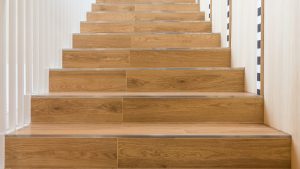
Adding a staircase to access your new loft is a critical aspect of the design. The staircase must comply with building regulations while ensuring it does not consume excessive space from the existing floor plan. - Lighting and Ventilation
Natural light is essential in a loft space. Velux windows, dormer windows, or skylights can be incorporated to brighten the area. Proper ventilation is equally important to maintain a comfortable environment. - Insulation and Energy Efficiency
The roof space must be well-insulated to ensure energy efficiency and comfort. Proper insulation not only helps maintain temperature but also reduces energy costs.
Challenges of Loft Conversions
While loft conversions offer numerous benefits, they are not without challenges. These may include:
- Cost Management: A loft conversion is an investment, and managing costs can be tricky. Unexpected expenses may arise during construction, so budgeting for contingencies is crucial.
- Space Limitations: Not all lofts are suitable for conversion. Low ceilings, awkward layouts, or limited structural integrity may restrict your options.
- Neighbourly Concerns: In terraced or semi-detached homes, construction may affect neighbouring properties. Party wall agreements are often required before commencing work.
Cost of Loft Conversions in the UK
The cost of a loft conversion varies widely depending on its type, size, and complexity. On average:
- Velux conversions: £20,000–£30,000
- Dormer conversions: £30,000–£50,000
- Mansard conversions: £45,000–£70,000
- Hip-to-gable conversions: £40,000–£65,000
While these figures may seem high, the long-term benefits in terms of added value and functionality often outweigh the initial investment.
The Process of Loft Conversion
- Initial Assessment and Planning
Begin with a detailed assessment of your loft to determine its suitability. Architects or specialist contractors can create designs tailored to your needs and submit plans for approval if necessary. - Structural Changes and Insulation
The initial phase of construction involves reinforcing the structure and installing insulation. This ensures that the conversion meets safety and energy standards. - Fitting Windows and Stairs
Windows are installed to allow light into the space, while a staircase provides easy access. Both elements must comply with building regulations. - Finishing Touches
Once the structural work is complete, the space is plastered, painted, and fitted with fixtures such as lighting and flooring. This final phase transforms the loft into a liveable area.
Conclusion
A loft conversion is an excellent way to maximise space and enhance the value of your property. By carefully planning and considering your needs, you can create a beautiful and functional space that meets your lifestyle requirements. While challenges may arise, the benefits of a well-designed loft conversion far outweigh the hurdles, making it a worthwhile investment for homeowners across the UK.